
 603-924-9867
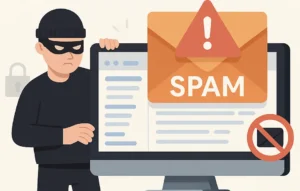 Website Form Output Spam Happens More Than People Think
Many of our web clients write to us with questions about website form output spam. We answer these all the time, yet I know it always feels like a brand-new experience when you run into it the first time. When junk submissions suddenly show up through a contact form or a newsletter form, it can feel unsettling. I get it. Even after nearly three decades in this business, I still remember how odd it seemed the first time I saw it happen.
Is Spam a Security Threat?
One of the biggest concerns people have is security. They worry someone is using a form submission to break into the website or send emails from their address. Thankfully, that’s not how these things work. Spam like this is usually nothing more than annoying noise. It’s just another nuisance time sucker in our days. These spammers are not getting access to your website. They are NOT getting into your email system. They’re NOT pulling any secret information. They are simply filling out forms with garbage to, most often, waste your time. In fact, mostly “bots” do this. Bots are essentially software. They’re designed to search for forms automatically on the web and fill them full of ads and phishing messages.
Why Spam Shows Up at All
Although spam is irritating, it actually does tell you something helpful! It shows your site is being found on the internet. That’s one weird upside. Over 27 years of doing this, I’ve seen this pattern over and over. In fact, one long-running joke in the web world is how spammers send messages claiming your site is not being found. All while proving they found it! Think about that!
What You Should NOT Do With Spam
One thing you should never do is mark your own website’s form output as spam or phishing. I know it feels tempting when the message is obviously junk, but doing that tells the mail systems out there that your website is the spammer. That’s the last thing you want. If you report your form notifications as spam, those same systems will eventually block the real messages too. Then legitimate inquiries, orders, and contacts will get dumped into junk folders or never show up at all. Always delete spam submissions directly instead of reporting them. It keeps your site’s reputation clean and saves you a big headache later.
What You Should Do With Spam
Most of the time, you can just delete the spam submission and move on with your day. Usually that’s all you need to do. If you start seeing a lot more of them, then it might be time to add more protection. For example, we can put in a CAPTCHA or tighten your existing spam filters. Or you can subscribe to an excellent service that stops most spam in its tracks: CleanTalk (if you buy CleanTalk through this link you will be helping us as well). These steps usually slow things down enough to make the spam manageable again.
Real Questions Deserve Real Answers
Even though this topic comes up often here, it’s always a fresh concern when it happens to you for the first time. There’s no reason you should already know how all this works. That’s why we’re here. So if you ever get a strange form entry or anything that makes you wonder, reach out. I’d much rather you ask than worry.