
 603-924-9867
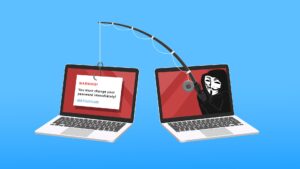 Here is more info about how to avoid being scammed this tax season. I feel like I’ve written dozens of these. Unfortunately, scamming is a huge industry at this point. There doesn’t seem to be any end in sight. So I will keep putting out the messages like this one and hopefully help someone!
Stay Alert, Stay Safe
Tax season is right around the corner.
It can feel stressful and confusing.
However, scammers know this and take advantage.
They increase activity during tax season every year.
So, we want to help you stay protected.
Together, we can stop many of these scams.
Phishing and Smishing Messages
Scammers often mimic trusted companies and government agencies.
They copy logos, names, and even email formats.
Phishing emails try to trick you into clicking harmful links.
Smishing messages do the same using text messages.
However, these messages often create urgency or fear.
They may claim your account is locked or under review.
Never click links from unknown or suspicious sources.
Also, never download unexpected attachments.
Instead, go directly to the official website yourself.
Type the address into your browser manually.
Fake Tax Refund Claims
Many scams promise large or unexpected tax refunds.
These messages often look official and convincing.
However, the IRS does not contact taxpayers this way.
They do not send emails or texts requesting information.
They also never ask for personal details through messages.
This includes Social Security numbers and banking information.
If you receive such a message, delete it immediately.
Do not reply or click anything inside it.
Avoid Seemingly Fishy Communications
Scammers may call pretending to be IRS agents.
They often sound confident and official.
However, they use fear to pressure quick action.
They may threaten arrest or legal action.
The IRS does not demand immediate payment by phone.
They also do not request payment using gift cards.
If a caller asks for your Social Security number, hang up.
If something feels off, trust your instincts.
Then verify by contacting the IRS directly.
Use Secure Online Payment Methods
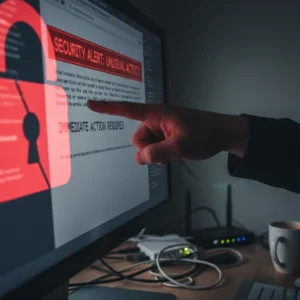 Always confirm the website address before entering information.
Look for addresses starting with https://
For example: https://charlesworks.com/
A lock symbol 🔒 shows the connection is encrypted.
However, encryption does not guarantee legitimacy.
Scammers can also create secure-looking fake websites.
So, always double-check the full domain name.
Make sure it matches the real organization.
Strengthen Your Personal Security
Use strong, unique passwords for all accounts.
Avoid reusing passwords across multiple sites.
Enable two-factor authentication whenever possible.
This adds an extra layer of protection.
Also, keep your computer and software updated.
Updates often fix security vulnerabilities.
Consider using reputable antivirus and email filtering tools.
These can block many threats automatically.
Together, We Can Protect Our Community
You can report suspicious emails to phishing@irs.gov
Forward the full message with headers if possible.
You can also contact the Treasury Inspector General.
Call 800-366-4484 to report tax-related scams.
Additionally, report identity theft concerns quickly.
Early action can limit damage significantly.
Watch for Ongoing Scams
Scams do not stop after tax season ends.
They continue year-round in many forms.
If someone claims to represent CharlesWorks, verify first.
Do not trust unexpected calls or messages.
Instead, contact us directly at 603-924-9867
We are always happy to confirm legitimacy.
A Final Thought
Scammers rely on urgency, fear, and confusion.
However, a moment of caution can stop them.
Take your time and verify everything.
That simple step protects you and your business.
Together, we keep our community safer.
Proudly serving since 1998 — CharlesWorks continues helping clients stay secure online.